Property Investment: 10-Year Price Trends in India Metro Cities

Author Admin
Published Date:
Property investment in India remains a popular choice for long-term wealth creation, offering both capital appreciation and rental income. Among all options, metro city real estate drives significant growth due to high demand, robust infrastructure, and an influx of professionals and businesses.
Analyzing property price trends in major metros like Delhi NCR, Mumbai, Bengaluru, Hyderabad, Chennai, Kolkata, and Pune helps investors identify opportunities, make informed decisions, and maximize returns.
Overview of Metro Cities Covered
India’s real estate growth is largely driven by its major metro cities, each offering unique opportunities for investors.
Delhi NCR: This region, including Noida, Gurugram, and Greater Noida, has seen rapid urban development and infrastructure expansion, driving up Delhi property rates. Its proximity to government offices, businesses, and improved connectivity makes it a prime real estate hub.
Mumbai: Known as India’s financial capital, Mumbai’s premium Mumbai real estate continues to attract investors due to consistent demand, limited land availability, and its role as the country’s commercial center.
Bengaluru: The IT capital of India, Bengaluru, shows strong Bangalore housing trends, especially in areas like Whitefield and Sarjapur Road. The city’s tech-driven growth attracts professionals nationwide, boosting residential and commercial property demand.
Chennai: With a robust manufacturing sector, IT parks, and good connectivity, Chennai has steady real estate growth in areas like OMR and ECR.
Hyderabad: Affordable property rates and booming IT hubs like HITEC City have made Hyderabad one of India’s fastest-growing real estate markets.
Kolkata: Modern infrastructure projects in areas like New Town and Rajarhat have stabilized growth, making Kolkata a steady real estate destination.
Pune: The city’s combination of educational institutions, IT parks, and proximity to Mumbai fuels consistent residential demand, especially in neighborhoods like Hinjewadi and Kharadi.
10-Year Property Price Trends (City-Wise Analysis)
Over the past decade, India’s metro cities have witnessed varied growth in property prices, reflecting differences in demand, infrastructure development, and economic activity. Understanding these trends is key for investors looking at long-term returns.
Here’s a snapshot of average property prices from 2015 to 2025 across major metros:
| City | 2015 Avg Price (₹/sq ft) | 2025 Avg Price (₹/sq ft) | 10-Year Growth % |
| Delhi NCR | 5,500 | 13,583 | 147% |
| Mumbai | 12,000 | 18,000 | 50% |
| Bengaluru | 4,800 | 8,200 | 71% |
| Chennai | 4,000 | 5,500 | 37.5% |
| Hyderabad | 3,800 | 7,500 | 97% |
| Kolkata | 3,500 | 5,000 | 43% |
| Pune | 4,200 | 7,000 | 67% |
Key Insights:
- Top Gainers: Hyderabad and Bengaluru led the 10-year property growth due to booming IT sectors, affordable housing options, and expanding urban infrastructure. Pune also saw strong gains driven by IT and educational hubs.
- Moderate Growth: Delhi NCR and Mumbai showed steady growth, supported by constant demand but constrained by high land prices.
- Slow Movers: Chennai and Kolkata experienced relatively slower growth, reflecting stable but less aggressive development in comparison to other metros.
Analyzing these real estate trends in India helps investors identify high-potential markets and make informed decisions. The 10-year comparison clearly shows which cities offer strong long-term investment opportunities, and which areas may provide stable but moderate returns.
Factors Influencing Price Changes
Property prices in India’s metro cities are shaped by a combination of economic, social, and regulatory factors. Understanding these influences helps investors predict trends and make better investment decisions.
1. Urbanization and Infrastructure Development
Rapid urbanization has been a major driver of property price growth. Expansion of metro rail networks, new airports, highways, and IT hubs has made many areas more accessible and attractive. For example, cities like Hyderabad and Bengaluru have benefited from IT corridors and improved connectivity, which directly increase the infrastructure impact on property and boost both residential and commercial demand.
2. Government Policies
Policies such as RERA (Real Estate Regulation Act), GST, and affordable housing schemes have introduced greater transparency and stability in the real estate market. These reforms protect buyers, promote accountability among developers, and encourage long-term investment. The influence of real estate policies India is evident in the growing confidence among investors and the sustained demand for both residential and commercial properties.
3. Demand vs. Supply
High population inflow and migration to metro cities fuel demand for housing and office spaces. At the same time, limited land availability in central areas can drive up prices. Conversely, oversupply in some locations may stabilize or slow growth. Factors like rental yields also affect investor interest, as high rental returns can make certain neighborhoods more desirable.
By evaluating these elements—urbanization, government policies, and demand-supply dynamics—investors can better understand the forces behind property price growth and make informed decisions for long-term gains.
Investment Opportunities Today
The Indian real estate market continues to offer promising real estate opportunities for investors, particularly in metro cities where growth and demand remain strong.
Metro Cities with Strong Future Potential
Hyderabad: Known for its affordable property options and rapid IT sector expansion, Hyderabad is emerging as a hotspot for both residential and commercial investments.
Bengaluru: With continuous tech industry growth, areas like Whitefield, Sarjapur Road, and Electronic City show high demand for housing and office spaces.
Delhi NCR: Noida, Gurugram, and Greater Noida remain attractive due to ongoing infrastructure projects and strong commercial activity.
Pune: Educational and IT hubs drive consistent residential demand, making Pune a reliable choice for long-term investments.
Residential vs. Commercial Trends
Residential properties continue to see strong demand, especially in IT-driven metros like Bengaluru and Hyderabad, due to migration of professionals. Commercial spaces, particularly office hubs in Delhi NCR, Mumbai, and Pune, are also experiencing growth, reflecting India’s expanding business ecosystem.
Affordable Housing vs. Luxury Segment
The affordable housing segment is gaining traction across cities like Hyderabad and Pune, offering investors attractive yields at lower entry costs. Meanwhile, the luxury segment continues to thrive in Mumbai and Delhi NCR, catering to high-net-worth individuals and premium buyers.
For investors seeking the best city for property investment India, understanding these dynamics helps in identifying areas with high appreciation potential, strong rental demand, and sustainable growth.
Risks and Challenges
While metro city real estate offers attractive investment opportunities, it is not without risks. Investors should be aware of potential challenges to make informed decisions.
1. High Property Prices
Metro cities like Mumbai, Delhi NCR, and Bengaluru have seen significant price appreciation over the last decade. High property prices can make entry expensive, particularly for first-time investors, and may impact affordability for end-users, affecting rental yields.
2. Market Slowdown Phases
Economic fluctuations, policy changes, or external shocks can lead to a property market slowdown. During such periods, property appreciation may stall, and demand may soften, impacting both short-term returns and rental income. Awareness of these cycles is crucial for strategic planning.
3. Regulatory and Financing Challenges
Policy updates, interest rate hikes, and financing constraints can affect investor confidence and cash flow. Navigating these challenges requires understanding real estate risks, including legal, financial, and market uncertainties. Investors must assess regulatory frameworks and ensure their financing options are resilient to changes.
By recognizing these factors, investors can plan better, mitigate risks, and make prudent choices to secure long-term returns.
Over the past decade, metro city real estate has demonstrated strong growth, with cities like Hyderabad, Bengaluru, and Pune showing remarkable property price growth, while Delhi NCR and Mumbai maintained steady appreciation. This decade-long trend highlights the potential of real estate as a reliable avenue for building wealth.
However, deciding to invest should depend on individual goals. Investors seeking regular cash flow may prioritize rental income, while those aiming for capital appreciation should focus on high-growth areas. Understanding city-specific dynamics, market trends, and regulatory frameworks is key to making a well-informed property investment decision.
With careful planning and research, investors can position themselves to benefit from long-term real estate returns, whether through steady rental yields or significant appreciation over time.
For expert guidance and curated investment options, visit Propkonnect to explore the best opportunities in India’s metro city real estate market.
Top Projects
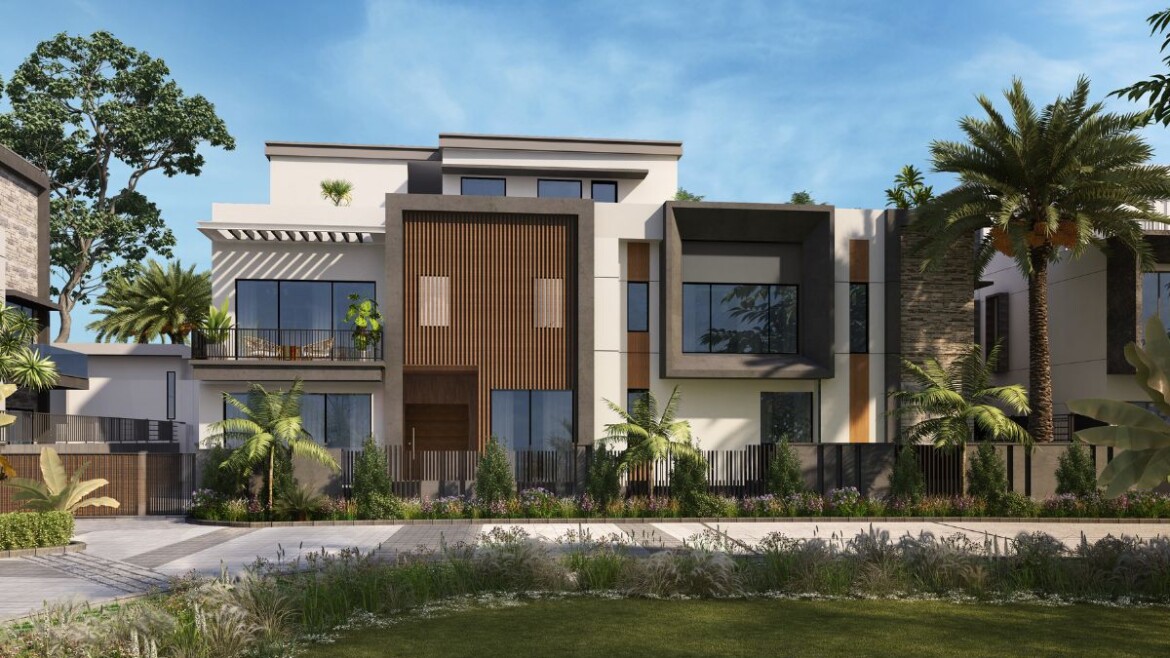
THE GOLDEN ESTATE
₹ 1.71Cr - ₹ 5.76Cr
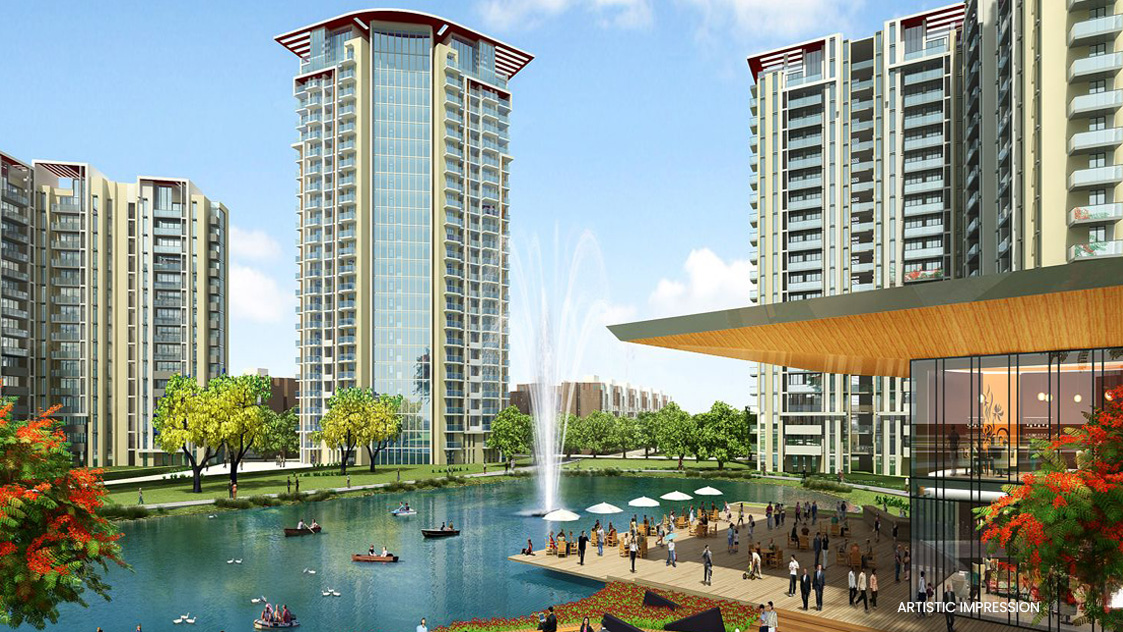
TDI LAKE GROVE SONIPAT
₹ 44.89Lakh - ₹ 55.00Lakh

GODREJJARDINIA-NOIDA
₹ 2.7Cr - ₹ 6Cr

M3M-MANSION-GURGAON
₹ 4.56Cr - ₹ 6.1Cr

URBANRISE-JASMINESPRINGS
₹ 18Lakh - ₹ 30Lakh
Top Builders

OZONE BUILDERS & DEVELOPERS
Total Project: 1

URBANRISE BUILDERS CHENNAI
Total Project: 2

RADIANCE REALTY CHENNAI
Total Project: 1

GLS INFRATECH
Total Project: 1
CHINTELS GROUP
Total Project: 0
.jpg)
.jpg)
.jpg)

.jpg)
 (1).jpg)
.jpg)
 (1).jpg)