From Work-From-Home to Hybrid Living: Homes That Fit the New Professional Lifestyle

Author Admin
Published Date:
The way we think about our homes has transformed completely over the last few years. Before 2020, most people saw their homes as a place to rest after work—a safe haven for family, relaxation, and sleep. But the pandemic changed everything. Overnight, dining tables became office desks, bedrooms doubled up as meeting rooms, and balconies turned into quiet corners for phone calls.
Now, in 2025, we’ve settled into a new rhythm: the hybrid lifestyle. Professionals split their time between office and home, and their housing choices reflect this shift. A modern home isn’t just about comfort anymore—it must also balance productivity, flexibility, and well-being. Developers in metro cities are leading the way, rolling out projects designed specifically to fit this new professional lifestyle.
Key Features Today’s Professionals Look For
1. Dedicated Workspaces
Gone are the days when a laptop on the dining table was enough. Professionals now want homes that provide purpose-built spaces for work. Whether it’s a separate study room, a compact home office, or a cleverly designed convertible corner, these areas create a boundary between work and personal life. A dedicated workspace not only boosts productivity but also reduces distractions—making it easier to handle virtual meetings, client calls, or focused tasks from home.
2. Bigger Living Areas
The lockdown years showed us how confining small apartments could feel. Today’s buyers value breathing space—larger living rooms, airy layouts, and open balconies. These bigger spaces serve multiple roles: a living room can double up for family gatherings, workouts, or even creative hobbies. Balconies and terraces have also gained importance as mini outdoor zones where people can relax, garden, or even work on sunny days. Spacious homes = more freedom and flexibility.
3. Smart Homes
Technology has become the backbone of modern lifestyles. For professionals balancing work and personal life under one roof, smart home features are a must. High-speed internet ensures seamless video calls. Soundproofing offers privacy for meetings. Automated lighting, curtains, and temperature controls make life more convenient and energy-efficient. With everything connected through apps and voice assistants, smart homes provide the efficiency and comfort professionals now expect.
4. Health & Wellness Amenities
A hybrid lifestyle blurs the line between work and life, making well-being more important than ever. People now prefer communities with parks, jogging tracks, gyms, yoga decks, and wellness centers. Proximity to green spaces offers a mental recharge, while on-site fitness facilities save time and encourage healthier routines. Homes designed with a wellness focus ensure that professionals don’t just work productively, but also live healthier, more balanced lives.
Metro-Specific Trends
Bengaluru – The Tech Hub Leading the Shift
Bengaluru, India’s Silicon Valley, is naturally at the forefront of the hybrid housing trend. With thousands of IT professionals working for global companies, the demand for hybrid-friendly homes is booming. Areas like Whitefield and Sarjapur are witnessing a surge in buyers looking for spacious apartments and villas that include study rooms or home offices. Proximity to IT parks, start-up hubs, and co-working centers makes these neighborhoods especially attractive. For tech-savvy buyers, smart automation and wellness amenities are no longer luxuries—they’re essentials.
Mumbai – Space Meets Hybrid Needs
In Mumbai, where compact living has long been the norm, professionals are now looking for more space to balance work and life. This is driving demand in Navi Mumbai and Thane, where larger flats are available at more affordable prices compared to the city center. Developers here are adding co-working lounges, Wi-Fi-enabled community halls, and hybrid-ready layouts, making these regions popular with young professionals and families. The upcoming metro lines and better infrastructure further add to their appeal.
Delhi NCR – Luxury and Connectivity on the Rise
The Delhi NCR region is seeing two clear trends. In Gurgaon, professionals are leaning toward luxury apartments that offer in-built office spaces, hybrid amenities, and premium facilities. On the other hand, the Dwarka Expressway corridor is emerging as a hotspot for modern yet affordable housing, attracting middle-income professionals who want good connectivity to Gurgaon and Delhi without paying sky-high prices. This balance of luxury and affordability makes Delhi NCR one of the fastest-growing hybrid housing markets.
Hyderabad – The Rising Star of Hybrid Living
Hyderabad has quickly emerged as a strong player in the real estate market, thanks to its booming IT sector and modern infrastructure. Localities like Gachibowli and Kokapet are becoming the go-to addresses for professionals who want spacious, tech-enabled homes close to IT hubs. These areas are also seeing the rise of gated communities with smart home features, wellness amenities, and flexible layouts, attracting both employees and business leaders who value convenience, space, and prestige.
The Business Owner Angle
While employees are adapting to hybrid living, business owners and senior leaders are shaping their housing choices differently. For them, a home is not just about convenience—it’s also about prestige, functionality, and the ability to blend personal and professional life seamlessly.
Here’s what they prioritize:
1. Prestige + Proximity to Offices
For entrepreneurs and top executives, location is a matter of status as well as practicality. They prefer luxury villas, penthouses, or high-end apartments located in upscale neighborhoods close to business districts. Living near office hubs reduces commute time and allows them to stay connected to their companies, investors, and networks, all while maintaining a premium lifestyle.
2. Villas/Penthouses with Private Work Zones
Unlike regular professionals who may be satisfied with a study room or home office, business leaders often need dedicated private work zones. These can be soundproof offices, libraries, or even entire floors designed for professional use. In some cases, mini-boardrooms or executive lounges are included within their homes, allowing them to run operations smoothly without always needing to step into a corporate office.
3. Hybrid Spaces to Host Meetings at Home
Networking and client engagement are a big part of a business owner’s lifestyle. As a result, they look for homes with large living areas, stylish lounges, or convertible meeting spaces that can comfortably host clients, partners, or small team gatherings. These homes are not only functional but also reflect their brand image and success, turning personal residences into spaces that double as professional venues.
The Future of Hybrid Homes
The concept of hybrid living is no longer a temporary adjustment—it’s becoming the blueprint for tomorrow’s housing market. Developers are already adapting to these changing needs, and here’s what the future holds:
1. Demand for Flexible Layouts
The classic 2BHK or 3BHK format is evolving. Buyers today want flexible layouts, such as a 2BHK with a study room or convertible rooms that can double as a workspace, gym, or guest room depending on need. These adaptable spaces give professionals the freedom to adjust their living environment without moving to a larger home, making them highly desirable in urban areas.
2. Builders Offering Co-Working Spaces Inside Gated Communities
Developers are realizing that residents don’t just want homes—they want entire ecosystems that support hybrid living. That’s why more residential complexes now include shared co-working spaces, Wi-Fi lounges, and business centers within the community itself. These setups allow residents to step out of their apartments and access professional work environments without dealing with traffic or long commutes.
3. Rise of Green & Tech-Enabled Homes
Sustainability and technology are becoming the twin pillars of modern real estate. Buyers increasingly seek eco-friendly homes with solar panels, rainwater harvesting, and energy-efficient designs, along with tech-enabled features like smart lighting, automated temperature control, and app-based security. These homes not only support hybrid lifestyles but also reduce long-term costs while promoting healthier living.
Hybrid living has moved beyond being a temporary solution—it’s the future of urban housing. Today’s professionals want homes that are more than four walls. They’re looking for spaces that allow them to work productively, live comfortably, and grow personally.
For buyers, choosing a home in 2025 means choosing a lifestyle that blends connectivity, flexibility, and wellness. For developers, it’s a signal that the homes of the future will be hybrid-ready by design.
A hybrid home isn’t just where you live—it’s where life and work come together, seamlessly.
Propkonnect building spaces that keep up with the way you live, work, and thrive.
Top Projects
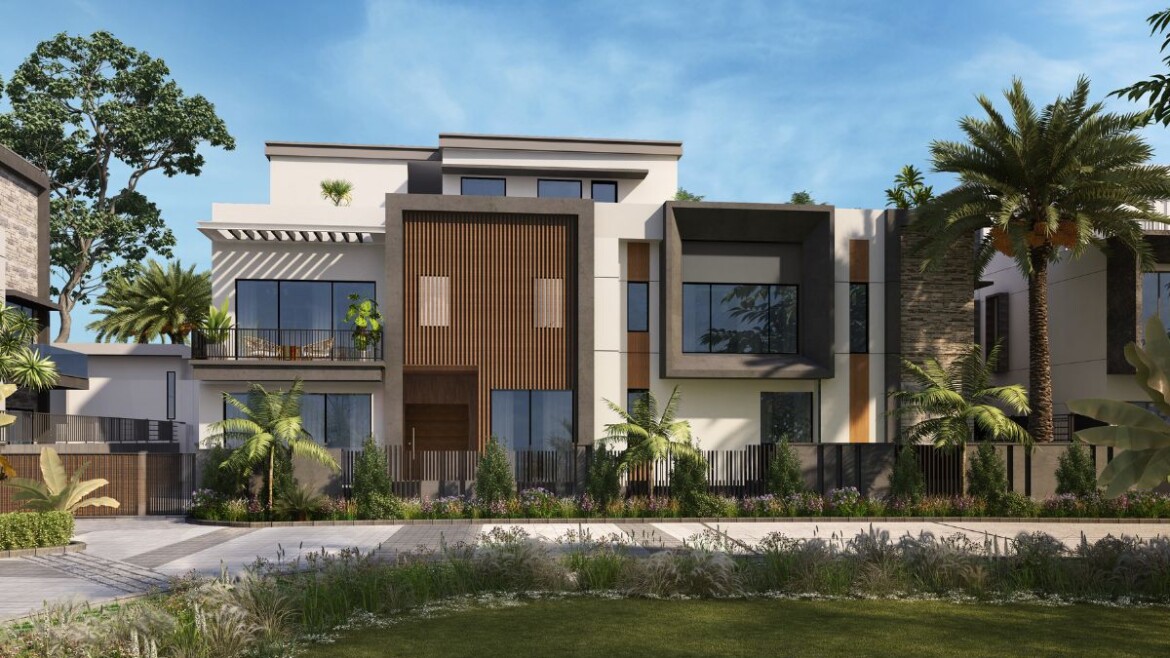
THE GOLDEN ESTATE
₹ 1.71Cr - ₹ 5.76Cr
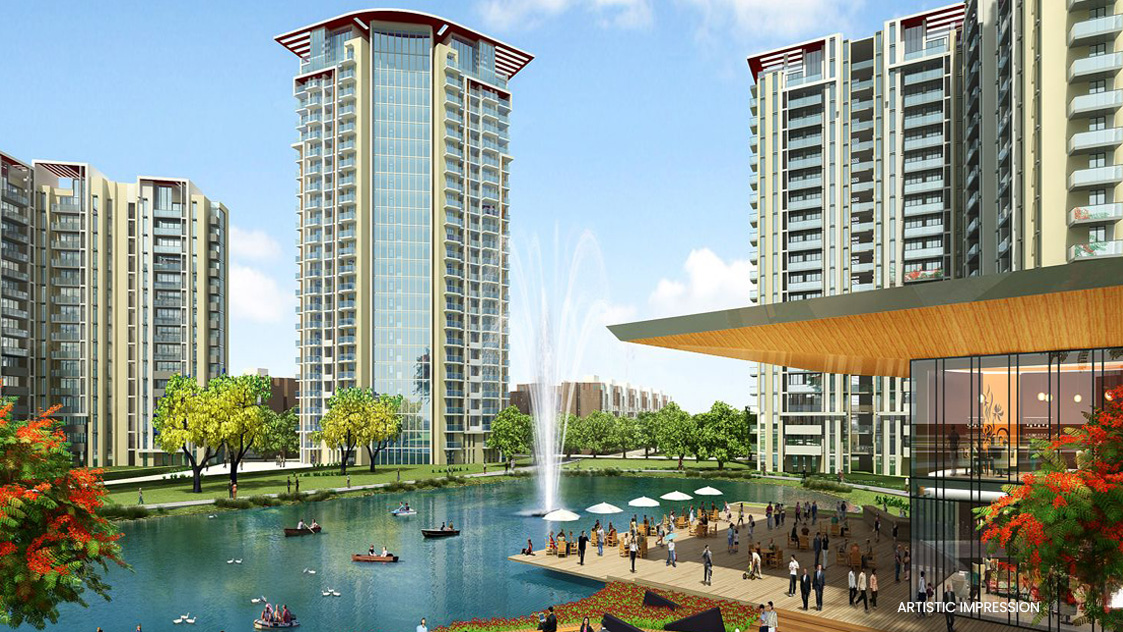
TDI LAKE GROVE SONIPAT
₹ 44.89Lakh - ₹ 55.00Lakh

GODREJJARDINIA-NOIDA
₹ 2.7Cr - ₹ 6Cr
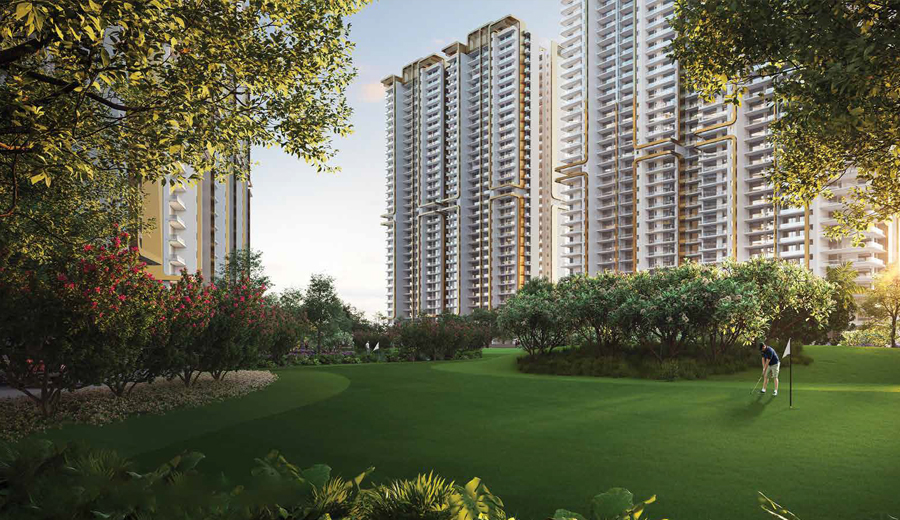
M3M-MANSION-GURGAON
₹ 4.56Cr - ₹ 6.1Cr
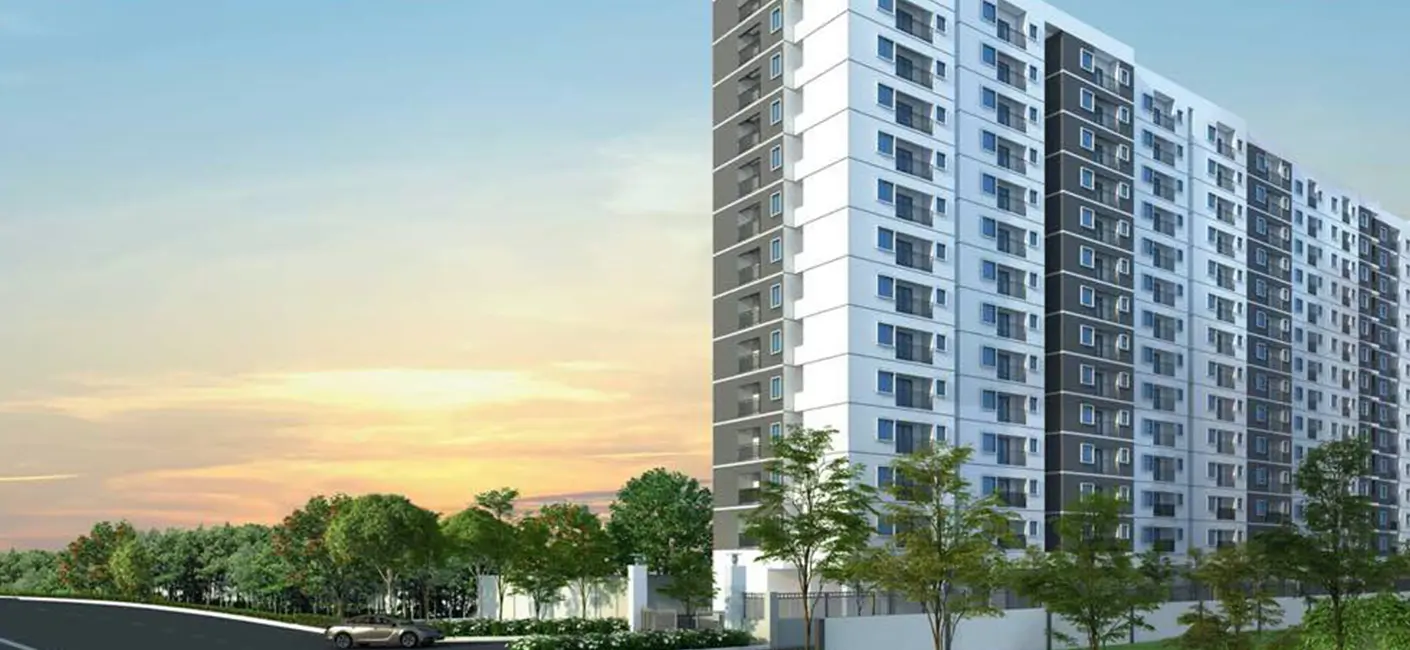
URBANRISE-JASMINESPRINGS
₹ 18Lakh - ₹ 30Lakh
Top Builders

OZONE BUILDERS & DEVELOPERS
Total Project: 1

URBANRISE BUILDERS CHENNAI
Total Project: 2

RADIANCE REALTY CHENNAI
Total Project: 1

GLS INFRATECH
Total Project: 1
CHINTELS GROUP
Total Project: 0
.jpg)
.jpg)

.jpg)

.jpg)
.jpg)